
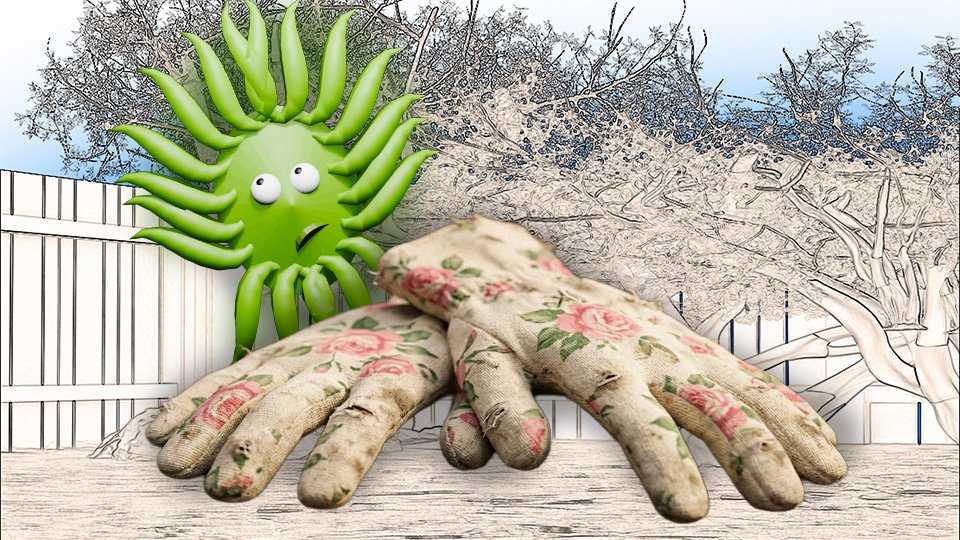
The garden center sells garden gloves for three dollars a pair. They come in cheerful colors. They have pictures of flowers on them. They suggest, visually, that gardening is a gentle and pleasant activity for which thin cotton protection is entirely sufficient.
The garden center is not wrong that gardening is pleasant. It is just wrong about the gloves.
Cheap gloves fail in three specific ways — and they always fail at the worst possible moment, which is when you’re elbow-deep in a rosebush or moving a pile of something composted.
❌ How Cheap Gloves Fail
- They don’t protect. Thin cotton or cheap fabric is not a barrier against thorns, sharp stems, splinters, or the edge of a terracotta pot. It is approximately the same protection as bare skin with a sense of false confidence.
- They don’t fit. One-size gloves fit no hands well. A loose glove is worse than no glove because it reduces dexterity while providing minimal protection. You end up removing it to do anything precise, which defeats the entire purpose.
- They don’t last. Cheap fabric tears on the first thorny encounter. The fingertips go first, then the palm. Three dollars buys approximately one season of light use if you’re careful, which defeats the economics.
✅ What Good Gloves Actually Do
A properly made garden glove does three things: protects, fits, and breathes.
- Leather palm and fingers. Leather is the material that handles thorns, rough edges, and repeated contact with abrasive surfaces. The palm takes most of the abuse in gardening — that’s where the leather should be.
- Breathable back. Hands sweat. A glove with a fabric or mesh back allows airflow. All-leather gloves are protective but hot for extended wear. The hybrid — leather where you need protection, breathable material where you need comfort — is the right design.
- Proper fit. Snug enough to retain dexterity, loose enough to remove easily when needed. Women’s-specific gloves exist and are worth buying over men’s gloves resized downward — the proportions are different.
🌹 Specialty Gloves Worth Knowing About
- Rose and thorn gloves (gauntlets). Extended cuffs that protect the forearm. Essential for working around anything seriously spiky. If you grow roses, brambles, or barberries, these are not optional.
- Nitrile-coated gloves. For fine work — transplanting, seeding, detailed pruning. The nitrile coating provides grip and light protection without sacrificing the dexterity you need for delicate tasks.
- Waterproof gloves. For wet work — planting in rain, working with wet soil for extended periods. Regular leather gloves become uncomfortable and eventually deteriorate when soaked repeatedly.
🧹 Glove Care
Leather gloves last for years with minimal maintenance. Let them dry naturally after use — not near a heat source, which cracks the leather. A light application of leather conditioner once or twice a season keeps them supple.
Fabric and nitrile gloves can usually be rinsed clean and air-dried. Check the packaging — some are machine washable.
🛒 The Gloves Worth Having
- Womanswork Ultra Fit gloves — Women’s-specific fit, excellent quality, multiple sizes. The benchmark for women’s garden gloves.
- Wells Lamont leather garden gloves — Durable leather palm, breathable back, multiple sizes. Reliable and affordable.
- Bionic Relief Grip gloves — Ergonomic design that reduces hand fatigue. Worth the investment for anyone who gardens for extended periods or has hand pain.
- Gauntlet rose gloves — Extended forearm protection for serious thorn situations. If you grow roses, you need these.
As an Amazon affiliate, I earn from each qualifying purchase. Thank you for supporting TangleWicket.
✨ The Short Version
Cheap gloves protect nothing and last one season. Good gloves protect your hands, fit properly, and last for years. The economics favor quality from the first purchase.
Leather palm for protection. Breathable back for comfort. Proper fit for dexterity.
Tom Brownthumb gardened bare-handed for three seasons. Tom Brownthumb has some interesting scars.
📚 Related Reads
- The Five Tools Every New Gardener Actually Needs
- How to Store Garden Tools So They Last
- How to Keep Tools From Rusting in One Easy Step
TangleWicket is part of the WhistleBump group – find the rest of the family at WhistleBump.com.
31004
©2026 John D Reinhart/Tanglewicket.com – all rights reserved