
Why Your Cheap Garden Gloves Are Lying to You

Cheap garden gloves fall apart, slip off, and fail you at the exact moment something sharp happens. Here’s what actually separates a useful glove from one that just looks the part.

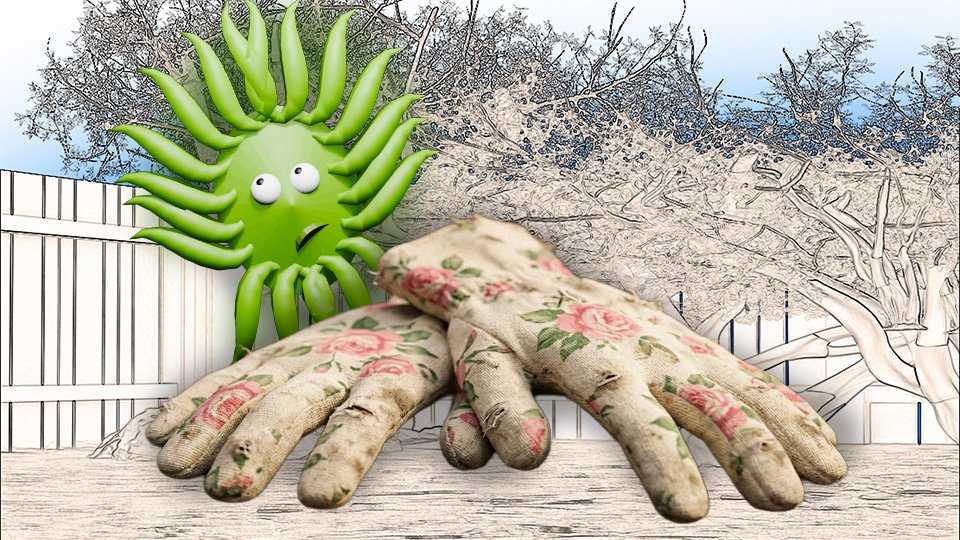
The garden center sells garden gloves for three dollars a pair. They come in cheerful colors. They have pictures of flowers on them. They suggest, visually, that gardening is a gentle and pleasant activity for which thin cotton protection is entirely sufficient.

The garden center is not wrong that gardening is pleasant. It is just wrong about the gloves.

Cheap gloves fail in three specific ways — and they always fail at the worst possible moment, which is when you’re elbow-deep in a rosebush or moving a pile of something composted.

❌ How Cheap Gloves Fail

  • They don’t protect. Thin cotton or cheap fabric is not a barrier against thorns, sharp stems, splinters, or the edge of a terracotta pot. It is approximately the same protection as bare skin with a sense of false confidence.
  • They don’t fit. One-size gloves fit no hands well. A loose glove is worse than no glove because it reduces dexterity while providing minimal protection. You end up removing it to do anything precise, which defeats the entire purpose.
  • They don’t last. Cheap fabric tears on the first thorny encounter. The fingertips go first, then the palm. Three dollars buys approximately one season of light use if you’re careful, which defeats the economics.

✅ What Good Gloves Actually Do

A properly made garden glove does three things: protects, fits, and breathes.

  • Leather palm and fingers. Leather is the material that handles thorns, rough edges, and repeated contact with abrasive surfaces. The palm takes most of the abuse in gardening — that’s where the leather should be.
  • Breathable back. Hands sweat. A glove with a fabric or mesh back allows airflow. All-leather gloves are protective but hot for extended wear. The hybrid — leather where you need protection, breathable material where you need comfort — is the right design.
  • Proper fit. Snug enough to retain dexterity, loose enough to remove easily when needed. Women’s-specific gloves exist and are worth buying over men’s gloves resized downward — the proportions are different.

🌹 Specialty Gloves Worth Knowing About

  • Rose and thorn gloves (gauntlets). Extended cuffs that protect the forearm. Essential for working around anything seriously spiky. If you grow roses, brambles, or barberries, these are not optional.
  • Nitrile-coated gloves. For fine work — transplanting, seeding, detailed pruning. The nitrile coating provides grip and light protection without sacrificing the dexterity you need for delicate tasks.
  • Waterproof gloves. For wet work — planting in rain, working with wet soil for extended periods. Regular leather gloves become uncomfortable and eventually deteriorate when soaked repeatedly.

🧹 Glove Care

Leather gloves last for years with minimal maintenance. Let them dry naturally after use — not near a heat source, which cracks the leather. A light application of leather conditioner once or twice a season keeps them supple.

Fabric and nitrile gloves can usually be rinsed clean and air-dried. Check the packaging — some are machine washable.

🛒 The Gloves Worth Having

As an Amazon affiliate, I earn from each qualifying purchase. Thank you for supporting TangleWicket.

✨ The Short Version

Cheap gloves protect nothing and last one season. Good gloves protect your hands, fit properly, and last for years. The economics favor quality from the first purchase.

Leather palm for protection. Breathable back for comfort. Proper fit for dexterity.

Tom Brownthumb gardened bare-handed for three seasons. Tom Brownthumb has some interesting scars.

📚 Related Reads


TangleWicket is part of the WhistleBump group – find the rest of the family at WhistleBump.com.

31004

©2026 John D Reinhart/Tanglewicket.com – all rights reserved

The Five Tools Every Gardener Actually Needs

You don’t need a shed full of tools to start a garden. You need five. Here’s exactly what they are, what each one does, and why everything else can wait until you actually need it.

The garden tool aisle is a wonderland of things you don’t need yet. Cultivators, edgers, bulb planters, aerators, soil knives, long-handled weeders, short-handled weeders, weeders that somehow split the difference. Each one exists for a reason. None of them is your problem today.

The problem with buying tools before you garden is that you don’t know which ones you’ll actually use. The problem with not buying any tools is that you’re out there using your hands and a kitchen spoon, which is what Tom Brownthumb did in his first season. The spoon did not survive and his garden looked like it was managed with a spoon.

Five tools. That’s the complete list for a functioning first garden. Everything else is infrastructure that earns its place after you know what you’re doing.

🪚 Tool One: The Trowel

The trowel is a small hand shovel with a pointed or rounded blade. It is the most-used tool in any garden. Planting seedlings, transplanting, digging out weeds, mixing amendments into small areas — the trowel is there for all of it.

What to buy: a one-piece forged trowel, not a two-piece one where the blade and handle are separate pieces joined together. The joint is where cheap trowels fail, usually when you’re doing something forceful. Stainless steel blade, comfortable handle, depth markings on the blade for planting accuracy.

Get one good trowel. It will outlast a dozen cheap ones and is more pleasant to use every single time.

🔱 Tool Two: The Garden Fork

The garden fork – like a pitchfork’s stockier cousin — four short, square tines on a four-foot handle, built for driving into soil rather than tossing hay. It does what a spade does but without slicing through soil — it lifts and breaks instead. For most soil preparation tasks, a fork is more useful than a shovel.

Why it matters: roots need loose soil to penetrate. Compacted soil produces stunted plants regardless of water and fertilizer. The fork is how you fix compaction and how you incorporate compost into existing beds. It’s also how you harvest root vegetables without slicing them in half.

✂️ Tool Three: Pruning Shears

Pruning shears, also called secateurs, are spring-loaded cutting tools designed for cutting stems, branches, and dead material from plants. They belong in every gardener’s pocket from the first week.

Why not scissors: garden shears are designed to cut through live plant material cleanly without crushing the tissue. Crushed stems invite disease. A clean cut closes properly. Use the right tool for the job.

The bypass style (two curved blades that pass each other, like scissors) produces cleaner cuts than the anvil style (one blade strikes a flat surface). Bypass for living plants, always.

🪣 Tool Four: The Garden Hoe

The hoe is possibly the most underrated tool in gardening and the one most beginners overlook. It is not glamorous. It is profoundly useful.

What it does: the hoe cuts weeds just below the soil surface, severing the stem from the root. Used regularly — every week or two, before weeds establish — it prevents the weed problem from ever becoming serious. Used after weeds have taken over, it reduces a half-day of pulling to twenty minutes of pushing.

There are many hoe styles. The standard flat hoe works fine. The stirrup hoe (also called a hula hoe) cuts on both the push and pull stroke and is worth the slight upgrade.

🫴 Tool Five: Gloves

Real gloves. Not the thin cotton ones that shred on the first thorny stem. Not the cheap plastic ones that turn your hands into a greenhouse.

What to look for: leather palm and fingers for protection against thorns and rough handling, breathable back for comfort, snug enough fit that you retain dexterity. Gauntlet-style gloves that extend up the forearm are worth it if you’re working near roses or anything with serious thorns.

Gloves protect your hands from cuts, blisters, and soil-borne organisms. Wear them. Tom Brownthumb did not wear gloves for his first three seasons. Tom Brownthumb had interesting hands.

🛒 The Five, Linked

  • Forged one-piece trowel — The foundational hand tool. Buy quality once.
  • Garden fork — For soil preparation, compost incorporation, and root vegetable harvest.
  • Bypass pruning shears — Clean cuts on living plants. The bypass style protects plant tissue.
  • Stirrup hoe — Cuts weeds on both strokes. The upgrade worth making over a standard flat hoe.
  • Leather garden gloves — Protection and dexterity. Leather palms, breathable back, proper fit.

As an Amazon affiliate, I earn from each qualifying purchase. Thank you for supporting TangleWicket.

✨ The Short Version

Trowel for planting. Fork for soil. Shears for cutting. Hoe for weeding. Gloves for hands. Five tools. One complete garden kit.

Everything else in the tool aisle is earned through experience. Buy these five first. Buy them well. They’ll still be working in your garden a decade from now.

Wicket endorses all five. Wicket draws the line at the tool aisle impulse buy. You know the one – seven tools in one!.

📚 Related Reads

TangleWicket is part of the WhistleBump group – find the rest of the family at WhistleBump.com.

31001

©2026 John D Reinhart/Tanglewicket.com – all rights reserved