
Soil, sunlight, fertilizer, and the slow chemistry of a plant actually thriving — the science behind why some gardens flourish and others just survive.
-
Sun Requirements: What Full Sun, Part Shade, and Full Shade Actually Mean
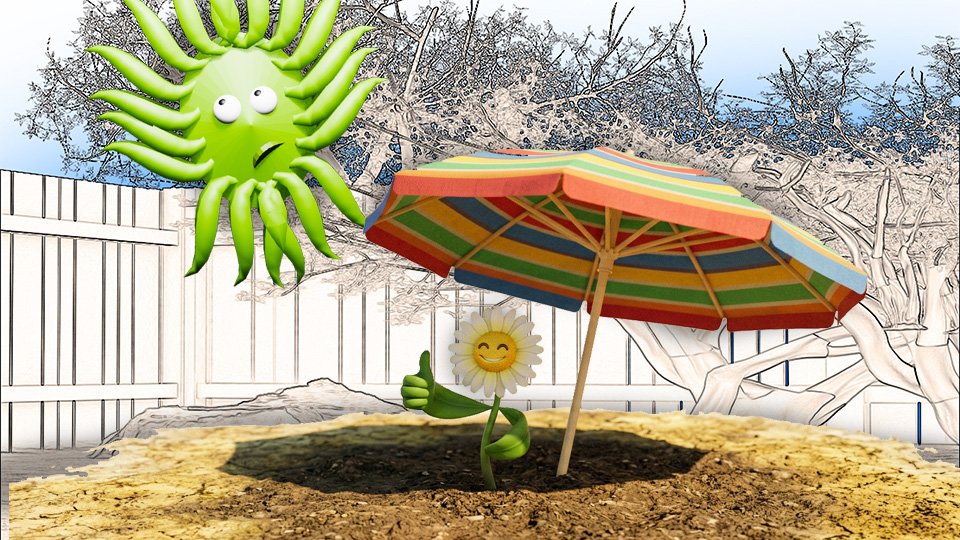
“Full sun,” “part shade,” “full shade” — every plant tag has one of these. Here’s what they actually mean, how to measure yours, and why planting in the wrong light explains a lot of garden failures.
-
Why Raised Beds Are Worth Every Penny

Raised beds cost more to set up than in-ground gardens. They also produce better results, require less work over time, and solve most of the problems that frustrate beginner gardeners.
-
Composting for People Who Think It’s Complicated (It Isn’t)

Composting is just controlled decomposition. You pile organic matter, it rots, and the result is the best soil amendment available — for free. Here’s the whole uncomplicated picture.
-
Fertilizer Basics: What N-P-K Actually Means
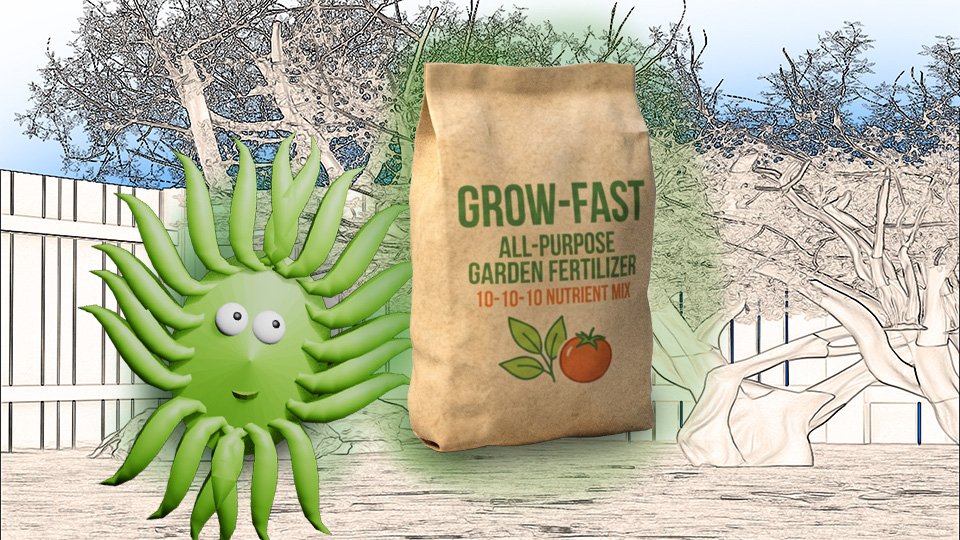
Every fertilizer bag has three numbers on it. Those numbers tell you exactly what’s in the bag and what it’s for. Here’s how to read them without a chemistry degree.
-
Why Your Plant Is Yellowing (And What Color Tells You)
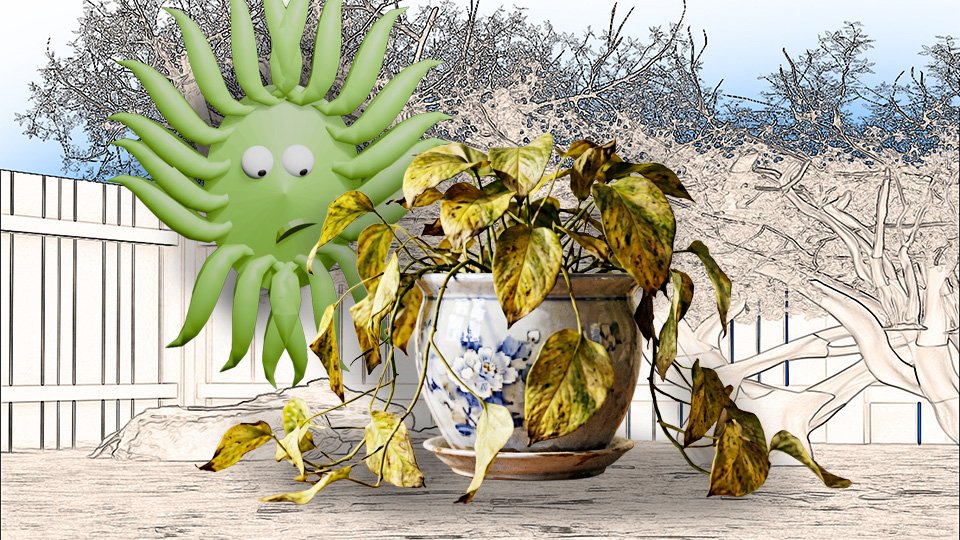
A yellowing plant is telling you something. The color, the pattern, and the location of the yellowing are the clues. Here’s how to read them — and what to do once you have the diagnosis.
-
Soil: The Thing Beginners Ignore and Experts Obsess Over
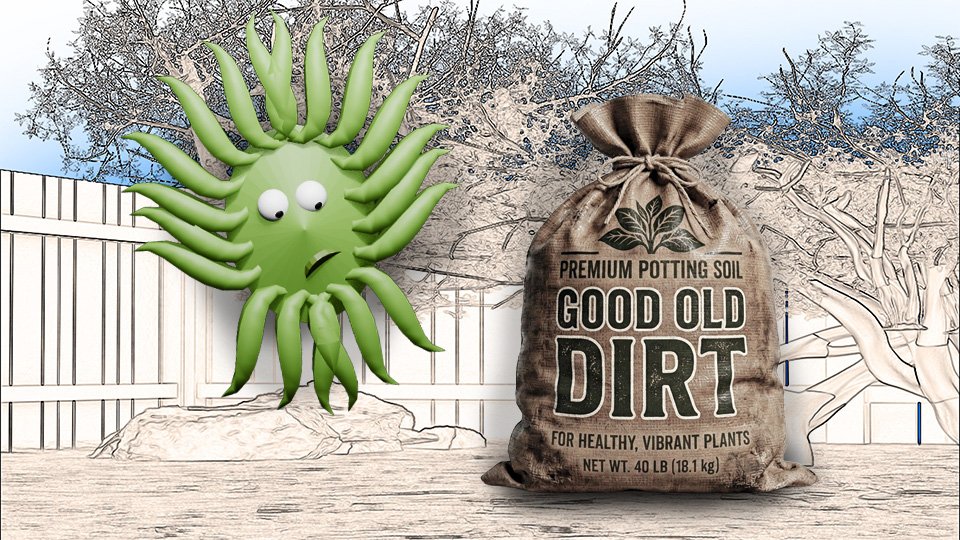
Soil is the thing beginners skip and experts obsess over — and the gap between a good garden and a great one is almost always underground. Here’s what soil actually does and how to improve it.
TangleWicket is part of the WhistleBump group – find the rest of the family at WhistleBump.com.
©2026 John D Reinhart/Tanglewicket.com – all rights reserved