
You’re reading a seed packet. Somewhere in the instructions, usually in small print that assumes you already know things, are the words “direct sow.” The packet moves on without explanation, apparently confident that this phrase requires none.
It’s not complicated. It just sounds like it might be.
Direct sow means: plant the seeds directly in the ground where they will grow, rather than starting them in pots or trays first and transplanting later. That’s it. No indoor nursery operation required.
🤔 Why Some Plants Prefer It
The reason some seeds are labeled for direct sowing is that they don’t transplant well. These plants develop root systems — often a tap root — that object to being disturbed. Try to move them after they’ve started growing and they sulk, struggle, or simply die.
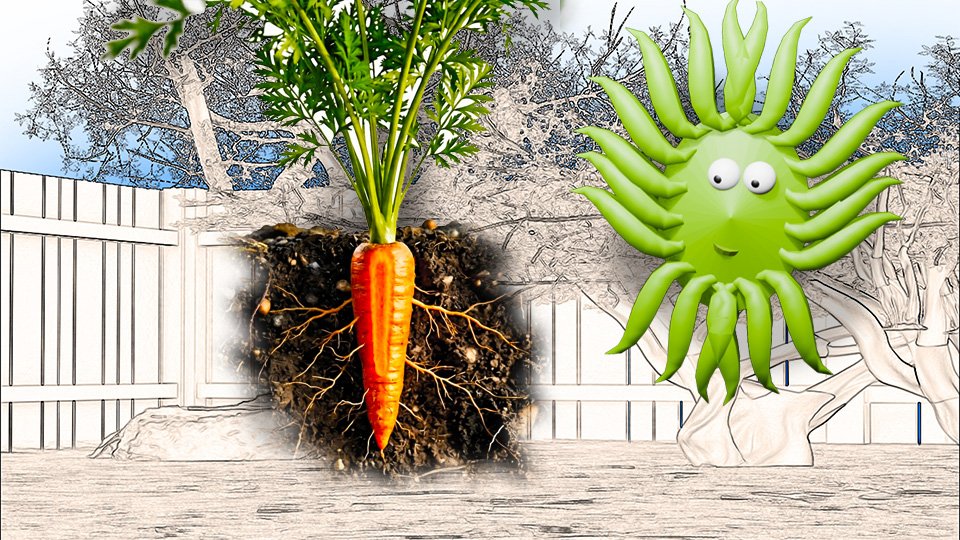
Carrots are the clearest example. A carrot is its own tap root. Disturb it once it’s growing and you get a forked, stunted, or dead carrot. Direct sow is not a suggestion for carrots. It’s a requirement.
- Direct sow plants: carrots, beets, radishes, turnips, parsnips, beans, peas, corn, sunflowers, zucchini, cucumbers, melons, nasturtiums, poppies, bachelor’s button.
- Start indoors first: tomatoes, peppers, eggplant, broccoli, cauliflower, celery, most herbs, marigolds.
🗓️ When to Direct Sow
The timing depends on what you’re planting and what it can tolerate:
- Cool-season crops (lettuce, spinach, peas, carrots, radishes) — direct sow in early spring as soon as the soil can be worked. These plants can handle light frost. They actually prefer cool temperatures and bolt — go to seed prematurely — in summer heat.
- Warm-season crops (beans, squash, cucumbers, corn, sunflowers) — direct sow after the last frost date when soil has warmed. These plants are killed by frost and stunted by cold soil.
The last frost date is your calendar anchor for all of this. It’s covered in its own post because it deserves the space.
🚜 How to Actually Do It
Preparing the soil is the whole job. Loose, workable soil lets seeds make contact with moisture and allows roots to grow without fighting compacted earth.
Remove weeds, rocks, and debris. Break up any clods. Rake smooth. The bed doesn’t need to be perfect — it needs to be loose enough that a seed can do its job.
Plant at the depth the packet specifies. Water gently so you’re moistening the soil without washing seeds sideways. Mark what you planted and where. This sounds obvious and is consistently skipped with consequences.
🛒 Tools Worth Having
- Garden trowel — For making planting furrows and holes at the right depth. The foundational direct-sow tool.
- Garden rake — For smoothing the seedbed before planting. Level soil means even germination.
- Plant markers — Mark rows immediately. Unmarked rows become mysteries within two weeks.
- Watering can with rose head — The rose attachment breaks the water into a gentle spray that moistens without washing seeds away. Direct sowing’s best friend.
As an Amazon affiliate, I earn from each qualifying purchase. Thank you for supporting TangleWicket.
✨ The Short Version
Direct sow means skip the indoor nursery and put the seeds straight in the ground. It’s not a technique so much as an instruction: this plant does not want to be transplanted, so don’t.
Prepare loose soil, plant at the right depth, water gently, mark the row, and wait.
The ground is ready. Tom Brownthumb is ready. The seeds are ready. This is the moment.
📚 Related Reads
- Seeds vs. Seedlings: Which Should a Beginner Buy?
- The Last Frost Date: What It Is and Why It Runs Your Life in Spring
- Reading a Seed Packet Without Glazing Over
TangleWicket is part of the WhistleBump group – find the rest of the family at WhistleBump.com.
30003
©2026 John D Reinhart/Tanglewicket.com – all rights reserved