
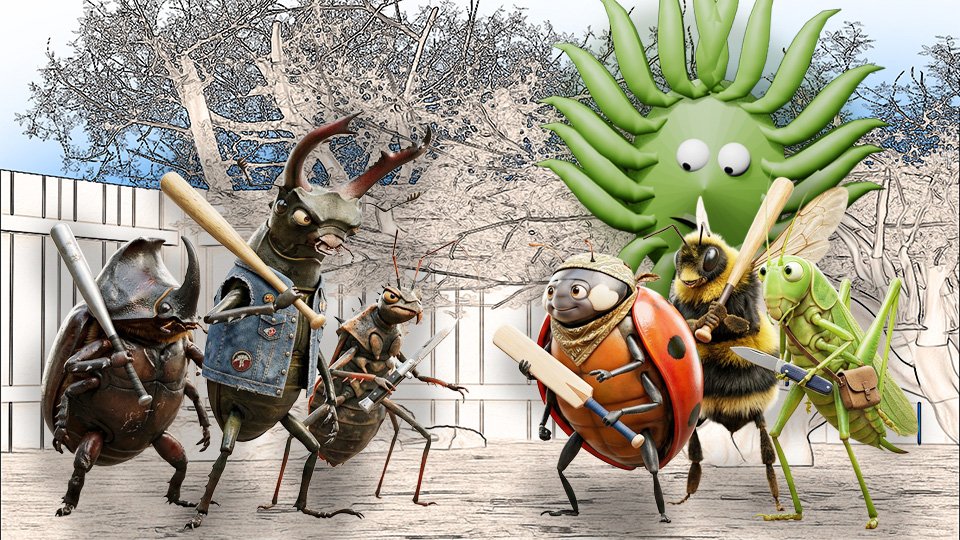
The reflex is understandable. You see a bug on your plant. You remove the bug. You feel like you’ve done something useful. You may have done the opposite.
The majority of insects in a garden are either beneficial or neutral. Fewer than one percent of insect species are agricultural pests. The rest are pollinators, predators of actual pests, decomposers, or bystanders doing something unrelated to your vegetables.
Here’s the guide to the garden’s insect population — who the allies are, who the enemies are, and how to tell the difference before making a decision you’ll regret on the tomatoes.
✅ The Beneficial Insects
- Ladybugs (and their larvae). A single adult ladybug eats up to 5,000 aphids in its lifetime. The larvae are even more voracious. They look nothing like the adult — they are small, dark, spiky, and alarming in appearance. Many gardeners kill ladybug larvae by mistake. They are among your best allies. Learn what they look like.
- Ground beetles. Large, dark, fast-moving beetles that live in soil and under debris. They eat slugs, soil-dwelling pest larvae, and other ground-level pests. They are also the beetles most frequently stomped on by startled gardeners. They are your friends. Leave them alone.
- Lacewings. Delicate, pale green insects with large transparent wings. Adults eat pollen and nectar. The larvae — called aphid lions — eat aphids, mites, and small insect eggs voraciously. If you see something small and hungry-looking destroying your aphid population, it might be a lacewing larva.
- Parasitic wasps. Small, non-stinging wasps that lay eggs in caterpillars, aphids, and other pest larvae. If you see a caterpillar covered in tiny white cocoons on its back, parasitic wasps have already handled the situation. Do not remove the caterpillar. The wasps are working.
- Hoverflies. Look like small bees or wasps but have only two wings (flies) rather than four (bees). Adults pollinate flowers. Larvae eat aphids. A dual-purpose beneficial insect that gets killed regularly by people who think it’s a stinging insect.
- Bees and other pollinators. Without pollinators, fruiting vegetables produce nothing. Tomatoes, squash, cucumbers, peppers, beans — all require pollination. Bees are not optional infrastructure.
❌ The Actual Pest Insects
- Aphids. Small, soft-bodied insects that cluster on new growth and suck plant sap. They reproduce rapidly and can overwhelm a plant in a short time. Sticky honeydew residue and curling new leaves are the signs. Highly controllable with multiple methods.
- Japanese beetles. Metallic green and copper beetles that skeletonize leaves and eat flowers. Highly visible, highly destructive, and frustratingly difficult to control at population scale.
- Slugs and snails. Not insects but behave like pests. Ragged holes in leaves, silver slime trails, overnight destruction. Most active in wet conditions.
- Caterpillars of certain moths and butterflies. Cabbage loopers, tomato hornworms, cutworms. The caterpillar stage of some otherwise harmless or beneficial adult insects. Identified by chewed leaves, frass (droppings), and the caterpillar itself.
- Spider mites. Tiny, barely visible mites that create stippled, bronzed foliage and fine webbing. Thrive in hot, dry conditions. Serious infestations can defoliate plants quickly.
🔍 The Identification Rule
Before treating anything, identify it. This means getting close enough to actually see the insect, not just noticing that something is in the garden. A phone camera with the macro setting or a simple magnifying glass resolves most identification questions. An app like iNaturalist can identify insects from a photograph.
The decision tree: Is it causing visible damage to plants you care about? Is the damage significant rather than cosmetic? Is the population building rather than stable? If yes to all three, you have a pest situation worth addressing. If no to any of them, leave it alone and let the garden’s own predator population handle it.
🛒 The Identification and Management Kit
- Hand lens / magnifying loupe — For actual close examination of insects before making any decision. Ten times magnification resolves most identification questions.
- Field guide to garden insects — For offline reference. A regional guide with good photographs of both pest and beneficial insects at multiple life stages.
- iNaturalist or similar ID app — Photograph the insect, get an identification. The technology that makes correct insect ID accessible to everyone.
As an Amazon affiliate, I earn from each qualifying purchase. Thank you for supporting TangleWicket.
✨ The Short Version
Most insects in your garden are allies or bystanders. A small number are pests. Identify before acting. The bugs eating your pests are more valuable than the treatment you’d use to kill both.
Get close. Look carefully. Ask what it’s actually doing before doing something about it.
Tom Brownthumb once sprayed an aphid infestation and killed the ladybug larvae eating it. The aphids, having no remaining predators, returned in force the following week. He now identifies first.
📚 Related Reads
- Why You Shouldn’t Kill Every Bug You See
- Aphids: The Tiny Menace and How to Evict Them
- Why Ladybugs Are the Best Thing in Your Garden
TangleWicket is part of the WhistleBump group – find the rest of the family at WhistleBump.com.
35001
©2026 John D Reinhart/Tanglewicket.com – all rights reserved