
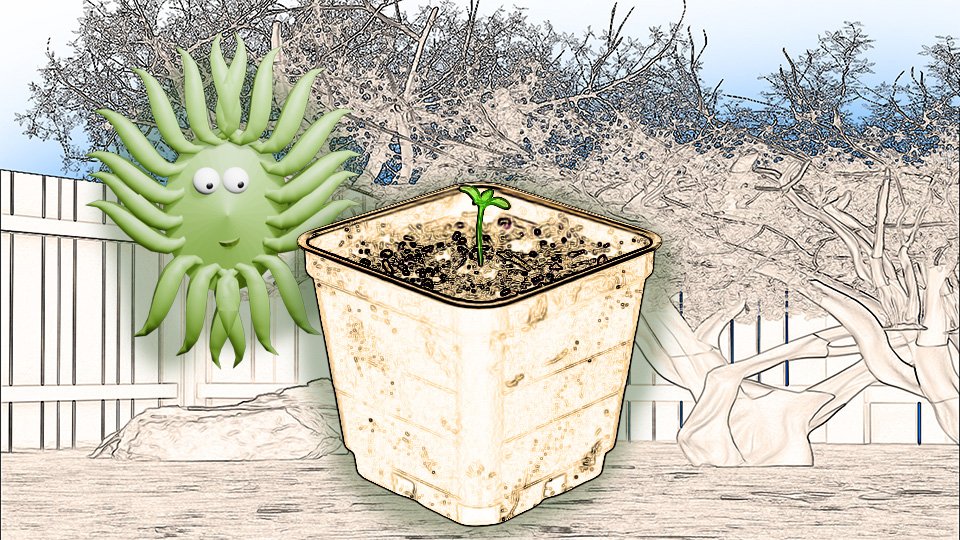
Somewhere between the idea of a garden and the actual garden is a gap that stops most people cold. The gap is full of questions. Where do you put it? What do you plant? What do you do first? What if you kill everything?
These are all reasonable questions. Here’s the thing about all of them: they have answers. Not complicated answers. Just answers nobody hands you when you buy your first packet of seeds.
This is that handout. The full picture, from blank ground to first harvest, with every step explained and in the right order.
📍 Step One: Pick the Location
The location is the most important decision in the whole process and it is made before a single seed is purchased. Get this right and everything is easier. Get it wrong and you’re fighting the site for everything.
- Sun is the non-negotiable. Most vegetables need six or more hours of direct sunlight daily. Find the sunniest spot in your yard. This is your garden. It doesn’t need to be pretty. It needs to be sunny.
- Water access matters. A garden you can’t conveniently water is a garden you will stop watering during the busiest parts of the season, which is when it needs water most. Pick a spot within reach of a hose.
- Start small. The most common beginner mistake is starting too big. A 4×8 raised bed or a 10×10 plot is more than enough for a first garden. You can always expand. You cannot un-expand once you’ve committed to maintaining more space than you have energy for.
🪣 Step Two: Prepare the Ground
The most important thing in any garden is the soil. Not the seeds. Not the tools. The soil. Plants grow in it, drink from it, and eat from it. Poor soil produces poor plants. Good soil produces good plants. This is not complicated but it surprisingly easy to underestimate.
Two approaches, both valid:
- Raised beds. Build or buy a frame, fill it with a mix of quality topsoil and compost, and you’re done. You control the soil entirely. No existing soil problems, no compaction, excellent drainage. The most reliable approach for beginners and experienced gardeners alike.
- In-ground beds. Remove grass and weeds from the area. Loosen the soil with a fork or tiller to a depth of 12 inches. Add several inches of compost and work it in. Test the soil if you can — your county’s agricultural extension office usually offers cheap or free soil testing and tells you exactly what amendments your soil needs.
Either way, the soil should be loose, dark, and smell like earth rather than clay or nothing. Soil that smells good grows things.
🗓️ Step Three: Know Your Calendar
Before anything goes in the ground, know your last frost date. It’s the anchor for your entire planting calendar. Everything else — when to start seeds indoors, when to direct sow, when to transplant — is measured from that date.
Look it up by zip code. Write it on the calendar. Build your plan around it. See our full post on the last frost date for everything you need to know.
🌱 Step Four: Choose What to Plant
Start with things that are hard to kill, fast to produce, and satisfying to eat. Beginners who start with difficult plants get discouraged. Beginners who start with forgiving plants get hooked.
- The forgiving vegetables: zucchini (almost aggressively productive), beans (fast, reliable, satisfying), lettuce (quick, cool-season, easy), radishes (twenty-five days from seed to table), cherry tomatoes (more forgiving than large varieties), herbs (basil, parsley, chives — useful and difficult to fail).
- Leave for later: large tomatoes (require more attention), corn (needs space and specific planting patterns), melons (need a long hot season), anything described as “delicate” or “challenging” in any guide.
Three to five crops for a first garden. Not fifteen. Success with three things is far more motivating than partial failure with fifteen.
🌰 Step Five: Seeds or Seedlings?
Both, almost certainly. Direct sow beans, zucchini, radishes, and lettuce. Buy tomato and pepper seedlings from the garden center — they need a long growing season that makes direct sowing impractical in most climates.
See our full post on seeds vs. seedlings for the complete breakdown of which plants go which route.
💧 Step Six: Water, Mulch, and Wait
Water: most vegetables need about an inch of water per week, either from rain or irrigation. Check soil moisture by sticking a finger two inches into the soil — if it’s dry, water. If it’s damp, wait. Overwatering kills more plants than underwatering in gardens with decent drainage.
Mulch: a two to three inch layer of mulch around plants conserves moisture, suppresses weeds, and regulates soil temperature. Straw, wood chips, shredded leaves — any organic material works. Mulching is one of the highest-value things you can do for a new garden and one of the most overlooked.
Wait and watch: gardening involves long stretches of doing almost nothing while things grow. This is not failure. This is the job. Visit the garden daily, not to intervene, but to observe. You’ll notice problems early enough to address them, and you’ll notice progress that would otherwise go unseen.
🛒 The Starting Kit
- Raised bed garden kit — The fastest path to good soil. Cedar resists rot, assembly is straightforward, and a 4×8 bed is the ideal beginner size.
- Garden fork or tiller — For loosening and preparing in-ground beds. Loose soil at twelve inches deep gives roots room to develop.
- Quality compost — The soil amendment that fixes almost every soil problem. Added generously to any bed, it improves drainage in clay soils and water retention in sandy soils.
- Straw mulch — For mulching around new plants. Suppresses weeds, holds moisture, and breaks down over time to improve soil.
- Garden sprayer with adjustable nozzle — Adjustable from gentle mist for seedlings to stronger flow for established plants. The tool you’ll use every single day.
As an Amazon affiliate, I earn from each qualifying purchase. Thank you for supporting TangleWicket.
✨ The Big Picture
A first garden does not need to be ambitious. It needs to be somewhere sunny, planted in decent soil, with a handful of forgiving crops, watered consistently, and visited often enough to notice what’s happening.
The first season teaches you more than any guide can. You’ll learn what your soil does, what the light looks like at different times of year, what your local pests are, and which plants you actually want to eat. Every subsequent season is built on those lessons.
Tom Brownthumb started with four crops. Three of them worked. He planted seven the following year. That’s the whole story of every gardener who stuck with it.
The ground is ready. Wicket is watching. Let’s put something in it.
📚 Related Reads
- Seeds vs. Seedlings: Which Should a Beginner Buy?
- The Last Frost Date: What It Is and Why It Runs Your Life in Spring
- Soil: The Thing Beginners Ignore and Experts Obsess Over
TangleWicket is part of the WhistleBump group – find the rest of the family at WhistleBump.com.
30010
©2026 John D Reinhart/Tanglewicket.com – all rights reserved