
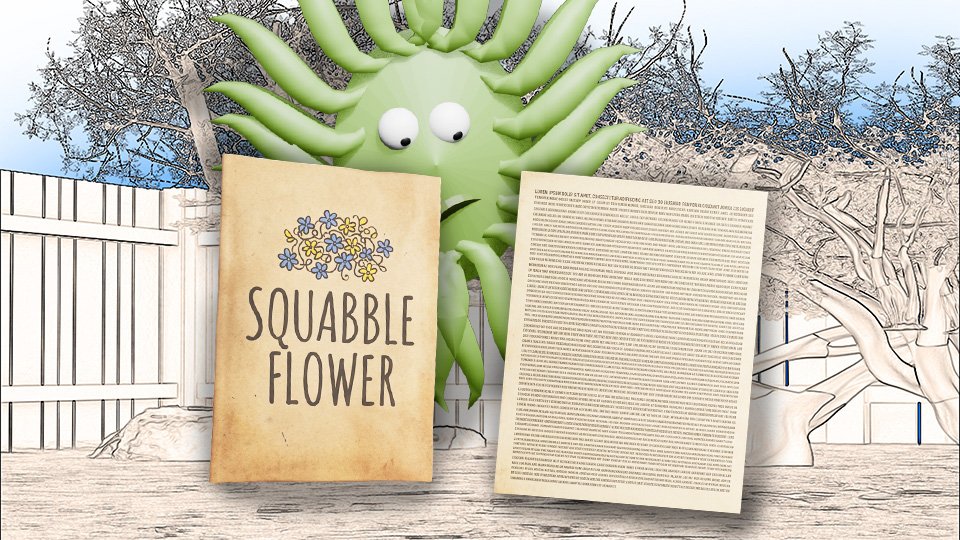
Seed packets are small. They contain an impressive amount of information in an impressive amount of jargon, printed in a font size that tests the patience of anyone without reading glasses. And then they end, and you’re expected to proceed with confidence.
Most people glance at the picture on the front, flip to the back, decide it’s too much, and plant things based on instinct and optimism. This is fine until it isn’t.
Here’s what every field actually means — so the next time you’re standing in the garden center you can read the packet like someone who’s done this before.
🌱 The Front
- The variety name. Not just “tomato” but “Sun Gold” or “Cherokee Purple” or “Roma.” Variety matters enormously for flavor, size, disease resistance, and days to maturity. This is where the interesting decisions live.
- Days to maturity. Often printed on the front, sometimes the back. This tells you how many days from transplanting (or from direct sowing for direct-sow crops) until the plant produces. A 90-day tomato needs 90 days of frost-free weather after transplanting. Know your growing season.
- Annual/Perennial/Biennial. Annual completes its life cycle in one season and dies. Perennial comes back every year. Biennial takes two years — it grows in the first season and flowers, seeds, and dies in the second. If you want biennials blooming every year, plant new ones each spring so you always have both first-year and second-year plants going at once
📋 The Back
- Planting depth. How deep the seed goes. See our post on planting depth for the full explanation, but the packet number is the authoritative one for that specific variety.
- Spacing. How far apart to plant seeds or seedlings. This is not a suggestion. Plants that are too close compete for light, water, and nutrients. Crowded plants produce less and get sick more. The spacing exists because the plant grows to a specific size and needs that room.
- Sow indoors / direct sow. Whether to start inside first or plant straight in the ground. If it says “sow indoors 6-8 weeks before last frost,” that’s your timeline.
- Sun requirements. “Full sun” means six or more hours of direct sun. “Part shade” means three to six hours. “Full shade” means less than three. Planting a full-sun vegetable in part shade produces a disappointed, underperforming plant.
- Days to germination. How long before you see anything happening. Useful for not declaring failure prematurely.
- Seed count. How many seeds are in the packet. Relevant for planning how many rows you can plant and how much backup you have.
🌟 The Useful Phrases
- “Do not cover” or “Light required” — press the seed onto the surface. Covering it prevents germination.
- “Scarify before planting” — scratch or nick the seed coat with sandpaper to help water penetrate. For hard-coated seeds like morning glory.
- “Soak overnight” — soften the seed coat before planting. Speeds germination for large-seeded plants like beans and peas.
- “Thin to X inches” — after seeds germinate, remove some seedlings to achieve the proper spacing. Painful but necessary. See our post on thinning.
🛒 Tools Worth Having
- Seed packet organizer — Organize by planting month so you know exactly when each packet needs attention. Prevents the “I forgot to start those in February” situation.
- Garden journal — Record what you planted, when, and how it performed. Next year’s decisions are made from this year’s notes.
- Magnifying glass — For reading the instructions in the font size seed packets apparently prefer. Not a joke.
As an Amazon affiliate, I earn from each qualifying purchase. Thank you for supporting TangleWicket.
✨ The Short Version
The seed packet contains almost everything you need to know to succeed with that plant. Days to maturity, depth, spacing, sun, timing — it’s all there.
Read the whole thing before you plant – before you even buy it. The front, the back, the fine print. It takes ninety seconds and answers most questions before they become problems.
Tom Brownthumb once ignored the spacing instructions. His zucchini required a map.
📚 Related Reads
- Seeds vs. Seedlings: Which Should a Beginner Buy?
- What “Direct Sow” Actually Means
- The Last Frost Date: What It Is and Why It Runs Your Life in Spring
TangleWicket is part of the WhistleBump group – find the rest of the family at WhistleBump.com.
30007
©2026 John D Reinhart/Tanglewicket.com – all rights reserved